
The cultural significance of gambling through history and its impact on society
The Origins of Gambling in Ancient Civilizations
The practice of gambling dates back thousands of years, with its roots found in ancient civilizations such as Mesopotamia, China, and Egypt. Archaeological evidence indicates that dice, made from bones, were used in Mesopotamia as early as 3000 BCE. In China, the earliest forms of gambling were linked to games of chance involving tiles and later evolved into more structured games like Keno. These early gambling practices were often intertwined with religious rituals and societal functions, reflecting their significant role in the culture of the time and examples of modern online platforms like 28 Mars Casino enhance the appeal of such games today.
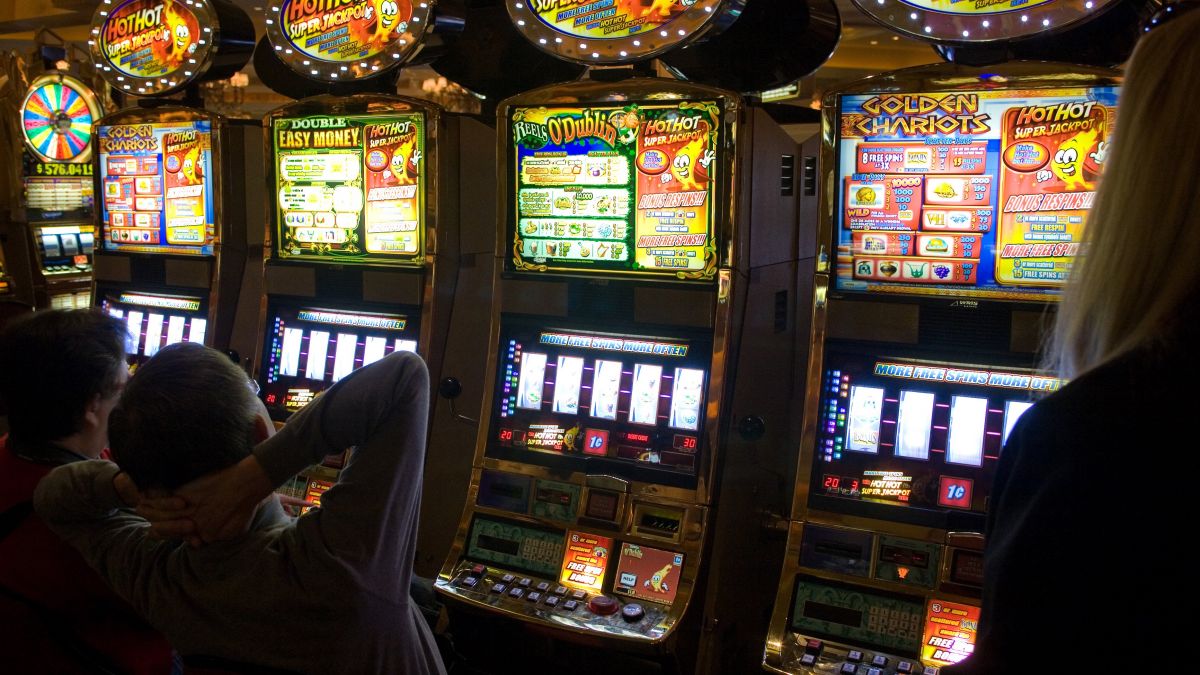
In Ancient Egypt, gambling was not just a pastime but a reflection of social status and hierarchy. The elite class engaged in more sophisticated forms of betting, while the common people participated in simpler games. As societies progressed, gambling became a means of entertainment, allowing individuals to escape the rigors of daily life. These early instances of gambling provided a platform for community bonding and were often accompanied by celebrations and festivals, highlighting their cultural importance.
The influence of gambling extended beyond recreational activities; it shaped economies and social structures. Many ancient societies relied on gambling as a source of income. For instance, the Chinese government regulated gambling to control its impact on society while benefiting economically. This early regulation foreshadowed later governmental involvement in gambling, showcasing its integral role in the development of civilizations.
The Role of Gambling in Medieval Society
During the medieval period, gambling experienced both popularity and condemnation. In Europe, games like dice and card games became widespread, often played in taverns and gatherings. However, the Church viewed gambling with suspicion, associating it with moral decay and social disorder. Despite these criticisms, gambling continued to thrive, underscoring a cultural conflict between entertainment and morality.
Knights and nobility often engaged in high-stakes gambling, making it a symbol of status and power. Tournaments would frequently include betting on the outcomes of contests, further embedding gambling into the social fabric of medieval life. This environment led to the establishment of early forms of betting houses, where wagers could be placed on various competitions, reflecting the growing sophistication of gambling activities.
The tension between gambling and morality was particularly pronounced in literature from this period. Many authors used gambling as a metaphor for chance and fate, illustrating its philosophical implications in the human experience. Works like Geoffrey Chaucer’s “The Canterbury Tales” not only entertained but also critiqued the ethics surrounding gambling, contributing to the ongoing discourse about its societal impact.
The Evolution of Gambling in the Modern Era
The 18th and 19th centuries marked a transformative period for gambling, particularly with the rise of casinos in Europe and America. As cities expanded and populations grew, gambling became more organized, leading to the establishment of formal gambling venues. The introduction of lotteries further democratized gambling, providing a means for the public to participate in games of chance with substantial rewards.
In America, gambling evolved alongside the nation’s development, from the early lotteries that funded infrastructure to the establishment of casinos in Las Vegas during the mid-20th century. This era represented a cultural shift where gambling became synonymous with entertainment, drawing in millions of visitors and significantly impacting the economy. The Las Vegas Strip transformed into a cultural icon, showcasing the allure of gambling and its integration into American leisure culture.
However, the modern era also brought challenges related to gambling addiction and social issues. As gambling became more accessible, concerns arose about its effects on individuals and families. Governments began to take action, implementing regulations and promoting responsible gambling initiatives. This duality of gambling as both a source of entertainment and a potential social issue reflects its complex cultural significance in modern society.
Gambling’s Influence on Cultural Practices and Norms
The cultural significance of gambling extends beyond mere entertainment; it shapes social norms and values. In many cultures, gambling serves as a rite of passage, a way to bond, and even a method of storytelling. For example, gambling games are often featured in traditional celebrations, highlighting their role in community cohesion and cultural identity.
Furthermore, the portrayal of gambling in media has influenced public perception and attitudes. Films, books, and television shows often romanticize gambling, depicting it as glamorous and thrilling. However, these representations can also perpetuate stereotypes and gloss over the darker aspects, such as addiction and financial ruin. This duality in representation reflects societal ambivalence towards gambling, revealing its complex role in cultural narratives.
In addition, gambling has inspired various artistic expressions, from paintings to music. Many artists have used gambling as a metaphor for life’s uncertainties and the human condition. This artistic exploration showcases gambling as not only a game of chance but also a profound commentary on fate, luck, and the pursuit of dreams, further emphasizing its cultural significance throughout history.

Online Gambling and Its Cultural Implications
In recent years, the rise of online gambling has revolutionized the industry, making it more accessible than ever. Platforms like 28 Mars Casino have emerged, offering a wide range of games tailored to diverse player preferences. This shift towards digital gambling has impacted cultural attitudes, as people now have the opportunity to engage in gaming from the comfort of their homes.
The online gambling environment fosters a global community, transcending geographical boundaries and allowing players to connect across cultures. This interconnectivity has led to the sharing of gambling practices and games, enriching the cultural fabric surrounding gambling. However, it has also raised concerns about responsible gaming, as the ease of access can lead to compulsive behavior and financial issues.
Additionally, online gambling platforms are increasingly emphasizing security and responsible gaming. With licensed operations and advanced encryption technologies, these platforms aim to provide a safe environment for players. As society navigates this new digital landscape, the cultural implications of online gambling continue to evolve, reflecting broader trends in technology and consumer behavior.